
Orange Blossom Water
Orange Blossom Water
SKU:400000017136
Couldn't load pickup availability
DESCRIPTION
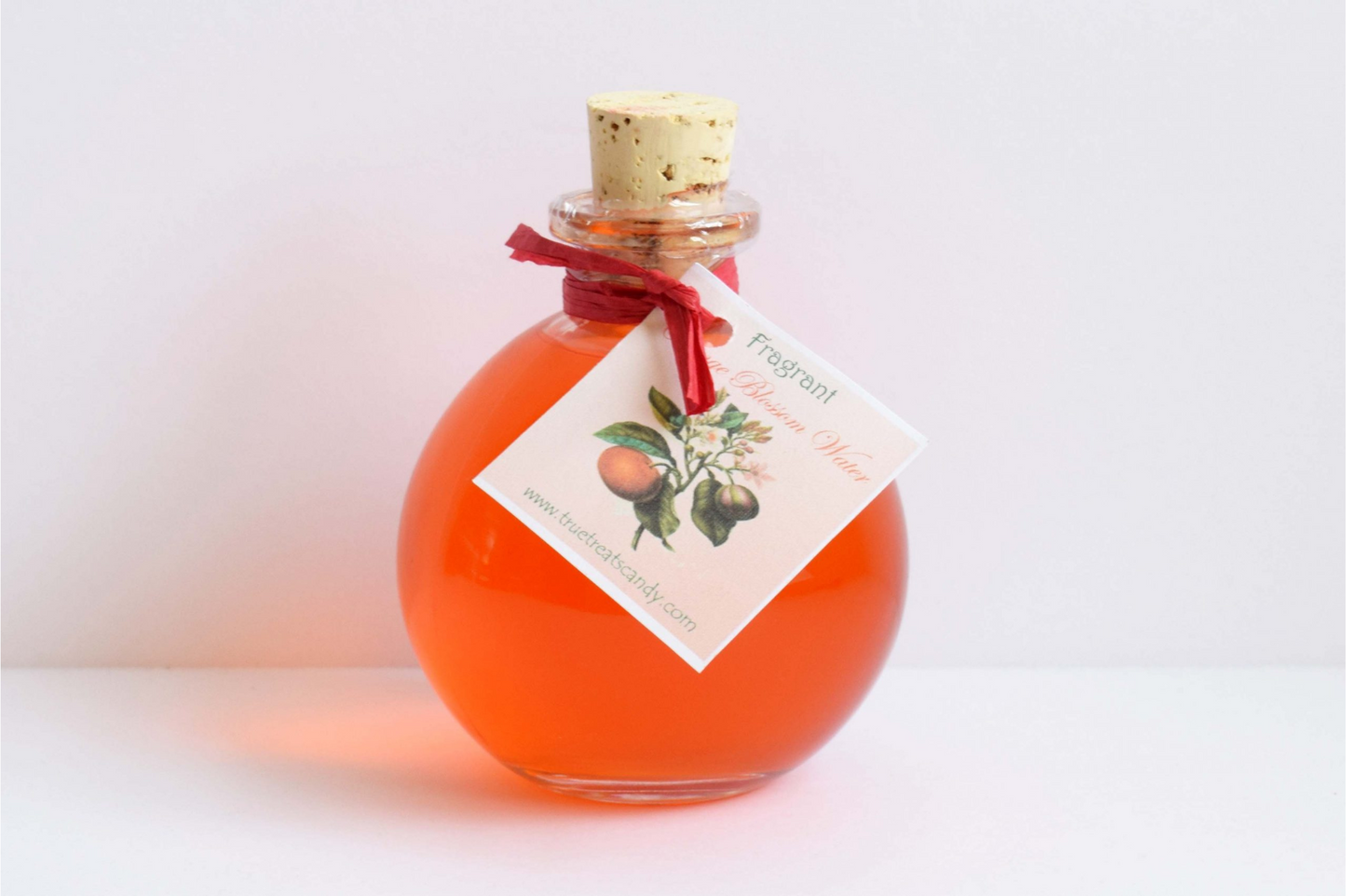
Orange blossom water has a delicate, almost ethereal flavor — a balance of floral sweetness and light citrus. The taste is subtle yet memorable: light and fragrant, like orange zest without the sharpness. Orange blossom has a smooth quality, that lingers on the tongue. Add a drop or two as a sweetener in tea, cocktails, and puddings. Comes in a charming keepsake bottle with a tag describing the ingredients.
Product Details
Product Details
Allergen Disclaimer: Please note that our products are made in a facility that processes peanuts, tree nuts, dairy, soy, and wheat. While we take precautions to prevent cross-contamination, we cannot guarantee that our products are allergen-free.
Historical Insights
Historical Insights
Orange blossom water originated in the Middle East and North Africa, where the bitter orange tree flourished. The Arabs were among the first to master distillation, using copper alembics to extract essential oils and aromatic waters from flowers and herbs. By the early 10th century, they were distilling orange blossoms to create both essential oil (neroli) and orange blossom water—a byproduct renowned for its fragrance and flavor.
From there, orange blossom water spread through Moorish Spain and across Europe during the Middle Ages, where it was used in apothecaries and perfumers. In France, it became a cornerstone of both perfumery and pastry-making finding a place in cakes, cookies, and custards, as well as soaps and cosmetics.
In the Ottoman Empire, it was a staple in royal kitchens and ceremonial feasts, used to scent sherbets, sweets, and even bathwater. To this day, it remains rooted in Middle Eastern cuisine, flavoring pastries like baklava as well as in Mediterranean confections and North African desserts. By the 18th and 19th centuries, orange blossom water had also crossed the Atlantic, finding its way into Creole and Southern cooking—notably in New Orleans, where it’s used to flavor desserts and even cocktails like the Ramos Gin Fizz.
In essence, orange blossom water is more than a flavoring—it’s a distillation of centuries of trade, travel, and tradition, carrying with it the scent of history and the sweetness of culture.
Shipping
Shipping
📩 Check Your Email for the Tracking Number! 📩
📢 B2B orders may take longer to ship than estimated
Please allow 3-5 business days for processing new retail orders. Many of our products are hand-made and assembled, so some orders may experience some delays depending on availability. Most orders are shipped within 5 business days. If you have any questions or concerns about your order please reach out to us.
The Sweet Journey Through Time Starts Here!
True Treats is the only historically accurate candy store in the world, bringing the past to life through researched sweets, teas, syrups, and more. Every product is rooted in history, telling the story of how people from all walks of life enjoyed treats through time. Leading this effort is Susan, a nationally recognized candy historian, researcher, and author who appears regularly on TV, radio, and in major publications. With over 40 years of experience, she has written ten books and founded True Treats to share the fascinating history of candy in a fun and delicious way. Susan’s work uncovers the surprising origins of America’s favorite sweets, from ancient uses of sugar to the candies of the 1900s. Through True Treats, Susan makes history an interactive experience, allowing customers to taste the past while learning the stories behind every bite.


