


Dandelion Tea
Dandelion Tea
SKU:400000017204
Couldn't load pickup availability
DESCRIPTION
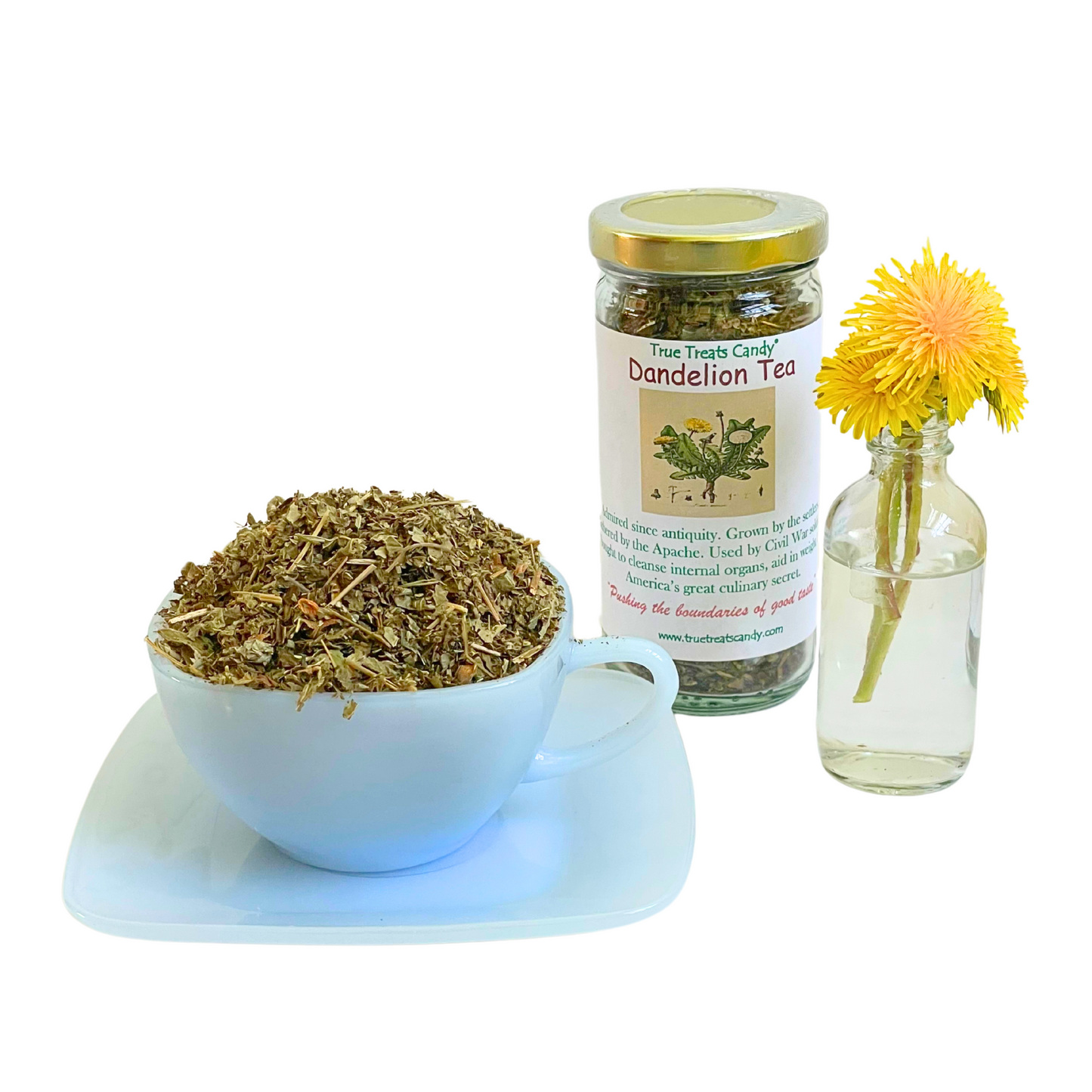
Earthy and nutty in flavor, dandelion is enjoyed as a tea and blends well. Some say dandelion teas have a slight bitterness, while others use dandelion tea as a coffee substitute as it has no caffeine. You can even use the dried leaves sprinkled on salads and other dishes whether served at a tea or garden party, formal dinner, or your kitchen table. To make dandelion tea, steep the leaves or flowers in hot water for 5-10 minutes, then strain and enjoy. Goes well with peppermint and chamomile flowers – enjoy with a dash of honey.
Product Details
Product Details
Size: 1 full 8 ounce jar
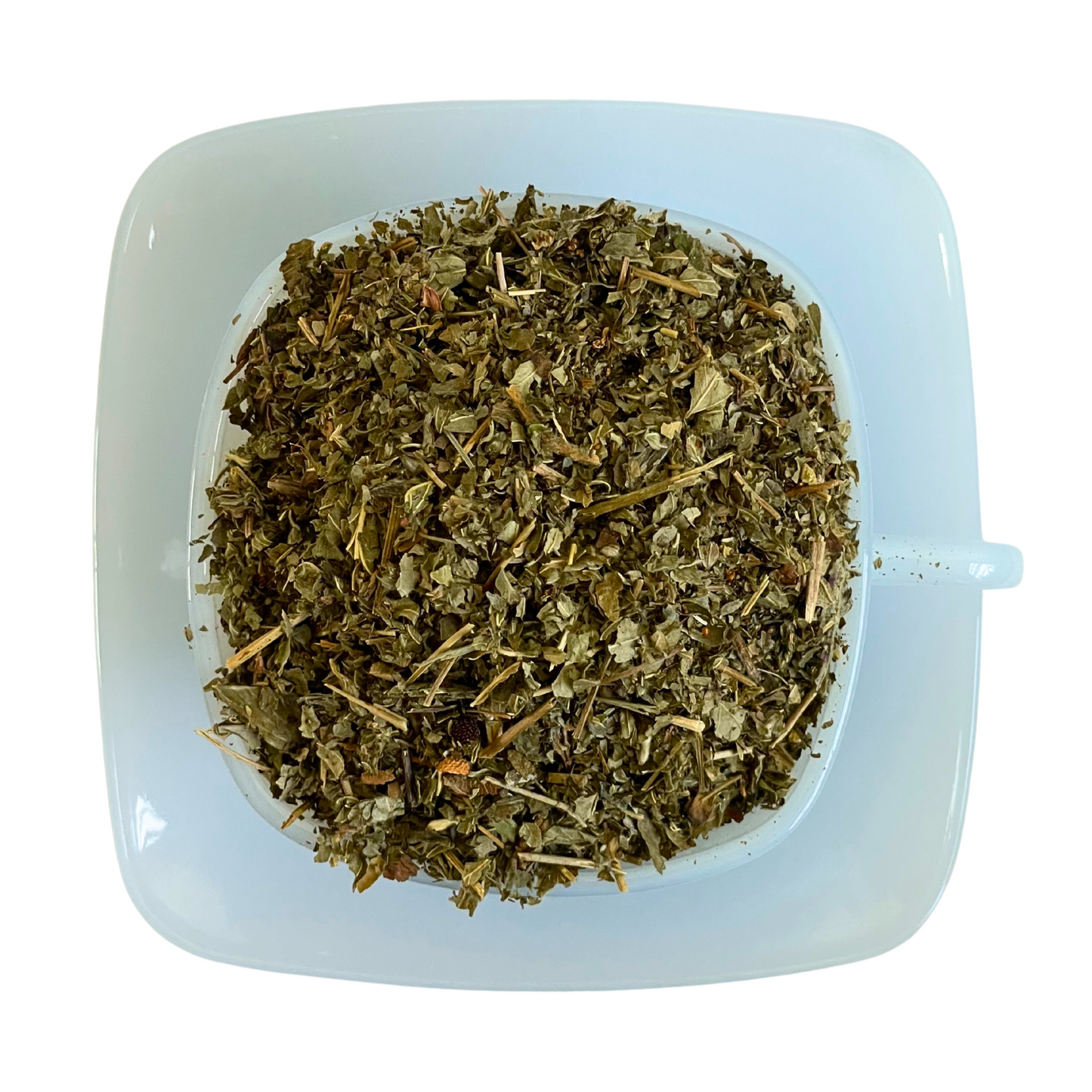
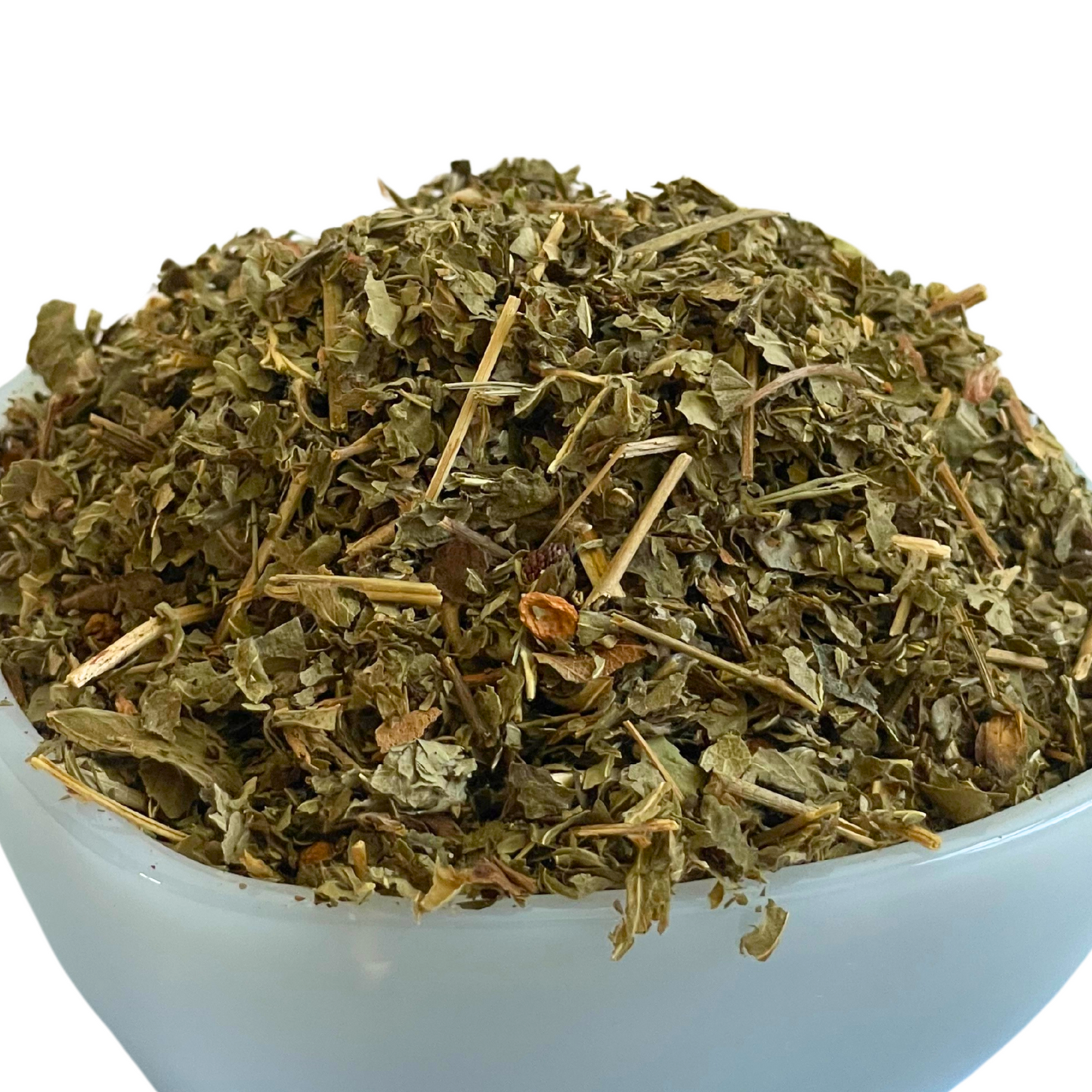
Ingredients: Dandelion Leaf
Allergen Disclaimer: Please note that our products are made in a facility that processes peanuts, tree nuts, dairy, soy, and wheat. While we take precautions to prevent cross-contamination, we cannot guarantee that our products are allergen-free.
Disclaimer!
The information about health benefits has not been evaluated by the Food and Drug Administration and is not intended to diagnose, treat, cure, or prevent any disease.
Please be advised: Before making any changes to your diet you should always consult with your doctor, especially if you are pregnant, nursing or have existing conditions.
Allergen Disclaimer: Please note that our products are made in a facility that processes peanuts, tree nuts, dairy, soy, and wheat. While we take precautions to prevent cross-contamination, we cannot guarantee that our products are allergen-free.
Historical Insights
Historical Insights
The dandelion, so loathsome to Americans they invented a specially crafted hand tool to extract it, is actually a venerable flower admired since antiquity. The ancient Chinese used dandelions for food and medicine; the Japanese cultivated 200 varieties; the Greeks used it as a celebratory gift in their mythology; and was one of the medicinal herbs planted in the psychic garden at monasteries of the Middle ages.
Where did dandelions originate?
The dandelion’s geographic range was vast…but not in North America. It took the Puritans to plant dandelion seeds carried from Europe; in the new land they had a ready spot in the gardens. The Dutch, Germans, French and other colonists who followed, they took brought dandelions with them. The flower eventually broke free of the garden walls and fences, traveling across North America from clearing to clearing, following lumberjacks through the mountains and running free across prairies.
How did people use dandelions? As a tea? Food?
The Apaches used dandelions as a green; the Pioneers picked it in their Westward travels; the Irish of Appalachia used them as a jam; soldiers and Southerners during the Civil War used it as a medicine and beverage; and the health department touted the health value of dandelions to the folks at home, during World War I.
Even more, the dandelion is the perfect food for bees and other insects with its bountiful pollen and long flowering season. Every part is useful from petal to root and is so rich in deep soil nutrients, it’s the perfect addition to the compost heap.
Today, dandelions are gradually regaining their status as the remarkable flower that they are, making an appearance in health food store grocery departments, teas, and holistic medicines. Soon, who knows, they may gain stature in backyard gardens where they started.
What are some of the health values of dandelions?
Some of the health values of dandelions:
- Contain iron, calcium, potassium plus vitamins A, B complex, C, and D.
- Trying to lose weight? Try dandelions: they’re a diuretic
- Detoxifies the liver, relieves stomachaches,
- Helps prevent urinary tract infections
Shipping
Shipping
📩 Check Your Email for the Tracking Number! 📩
📢 B2B orders may take longer to ship than estimated
Please allow 3-5 business days for processing new retail orders. Many of our products are hand-made and assembled, so some orders may experience some delays depending on availability. Most orders are shipped within 5 business days. If you have any questions or concerns about your order please reach out to us.
Our disclaimer
The dandelion, so loathsome to Americans they invented a specially crafted hand tool to extract it, is actually a venerable flower admired since antiquity. The ancient Chinese used dandelions for food and medicine; the Japanese cultivated 200 varieties; the Greeks used it as a celebratory gift in their mythology; and was one of the medicinal herbs planted in the psychic garden at monasteries of the Middle ages. Where did dandelions originate? The dandelion’s geographic range was vast…but not in North America. It took the Puritans to plant dandelion seeds carried from Europe; in the new land they had a ready spot in the gardens. The Dutch, Germans, French and other colonists who followed, they took brought dandelions with them. The flower eventually broke free of the garden walls and fences, traveling across North America from clearing to clearing, following lumberjacks through the mountains and running free across prairies. How did people use dandelions? As a tea? Food? The Apaches used dandelions as a green; the Pioneers picked it in their Westward travels; the Irish of Appalachia used them as a jam; soldiers and Southerners during the Civil War used it as a medicine and beverage; and the health department touted the health value of dandelions to the folks at home, during World War I. Even more, the dandelion is the perfect food for bees and other insects with its bountiful pollen and long flowering season. Every part is useful from petal to root and is so rich in deep soil nutrients, it’s the perfect addition to the compost heap. Today, dandelions are gradually regaining their status as the remarkable flower that they are, making an appearance in health food store grocery departments, teas, and holistic medicines. Soon, who knows, they may gain stature in backyard gardens where they started. What are some of the health values of dandelions? Some of the health values of dandelions: Contain iron, calcium, potassium plus vitamins A, B complex, C, and D. Trying to lose weight? Try dandelions: they’re a diuretic Detoxifies the liver, relieves stomachaches, Helps prevent urinary tract infections
The Sweet Journey Through Time Starts Here!
True Treats is the only historically accurate candy store in the world, bringing the past to life through researched sweets, teas, syrups, and more. Every product is rooted in history, telling the story of how people from all walks of life enjoyed treats through time. Leading this effort is Susan, a nationally recognized candy historian, researcher, and author who appears regularly on TV, radio, and in major publications. With over 40 years of experience, she has written ten books and founded True Treats to share the fascinating history of candy in a fun and delicious way. Susan’s work uncovers the surprising origins of America’s favorite sweets, from ancient uses of sugar to the candies of the 1900s. Through True Treats, Susan makes history an interactive experience, allowing customers to taste the past while learning the stories behind every bite.
Dandelion tea was really good!


