


Chocolate Cacao Nibs
Chocolate Cacao Nibs
SKU:
Couldn't load pickup availability
DESCRIPTION
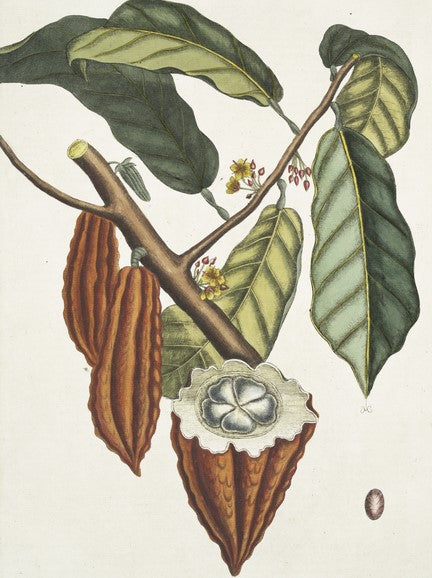
When people say chocolate is healthy this is what they mean! These chocolate nibs are the real thing, small bits and pieces of roasted cacao beans that have been around thousands of years. Each bit has a somewhat bitter, dark chocolate flavor: think chocolate without the sugar. The texture is crisp and crunchy, much like roasted hemp seeds, each bite slowly releasing the chocolate flavor as you chew. Chocolate cacao nibs are great in smoothies, mixed into yogurt, added to trail mix, and even used as tea.
As for the medicinal value. Cacao beans are rich in nutrients and natural plant compounds. They contain fiber, iron, magnesium, copper, manganese, and potassium, along with small amounts of protein and healthy fats. Cacao is also a natural source of antioxidants, associated with heart health and circulation. Even better, these healthy cacao beans contain the natural stimulant theobromine and a small amount of caffeine for a pleasant boost of energy and alertness.
Want more? Check out Susan's books "Sweet as Sin" and "Fun Foods of America." Want to EAT more. Head for our chocolate category to find what you want.
Product Details
Product Details
Allergen Disclaimer: Please note that our products are made in a facility that processes peanuts, tree nuts, dairy, soy, and wheat. While we take precautions to prevent cross-contamination, we cannot guarantee that our products are allergen-free.
Historical Insights
Historical Insights
History
From Susan's Award-Winning Book Sweet as Sin
Not much is known about the Olmecs aside from sculptures of immense stone gods,
with broad, well-defined noses, full lips, enormous focused eyes — and their
early use of chocolate and cacao beans.
Among the first civilizations in Mesoamerican history to prepare a chocolate drink, they transformed cacao into a prized food by removing the cocoa beans from the pod and fermenting them for two to eight days.
Next, they dried, roasted, and cracked the cacao beans to release the inner cacao nibs from the shell, then ground the nibs on a hot
stone metate, adding spices such as allspice, chili, and the delectable orchid vanilla. Last, they created a rich chocolate paste which they cooled and formed into hard cakes used for drinking chocolate and ceremonial foods.
Later, the Maya cultivated the cacao tree throughout the region now known as Guatemala. The Maya held cacao and chocolate in great esteem. In death, aristocrats were buried with quantities of cacao for the afterlife; while living, a spicy, frothy cacao drink was among their greatest culinary pleasures.
As for the poor, they ate a porridge-like blend of ground cacao, maize, and spices such as chili pepper, vanilla, and dried flowers. Chocolate was not merely food to the Maya — it was medicine, ritual, currency, and sacred
nourishment.
This delicacy was said to have been brought to them by the sun god Hunahpú. Charming
as this might seem, the patron of cacao was Ek Chuah, the black-eyed war god with a hanging lower lip and scorpion tail who carried off the souls of warriors killed in battle.
In his honor, the Maya held a festival each April
where they made offerings of cacao beans, feathers, and incense, exchanged gifts, and sacrificed animals, including a dog with cacao-colored markings. Reflecting the true spirit of the event, one 8th-century Mayan chocolate-making vase was decorated with two masked figures beheading a victim while a woman
prepared a frothy cacao drink nearby.
Later, the Aztecs engaged cacao in another form of sacrifice. The Aztecs were deeply
superstitious and lived in fear that the wrath of their many gods might cause their universe to collapse. To placate them, they sacrificed a human every day.
This unfortunate victim was usually a prisoner of war, chosen as perfect a specimen of human fitness as possible since he represented the Aztec gods on earth. They
treated the prisoner with reverence until the climax of the sacrificial ritual, where they cut his heart from his body while he was still alive.
The prisoner was expected to accept this fate bravely and, remarkably, with joy. If he
showed fear or horror, he was given a concoction made from chocolate, cacao,
blood, and other bewitching ingredients intended to transform him into a
willing participant.
Remarkably, the cacao-loving Aztecs lived in a dry region where cacao trees could not grow.
Instead, they obtained cacao beans through trade or tribute — a type of tax paid in cacao bean currency by conquered provinces. For the Aztecs, cacao beans were literally money, perhaps inspiring the expression “money doesn’t grow on trees.” A large tomato was worth one cacao bean; a turkey egg, three beans; a rabbit, one hundred beans; a slave, one thousand beans; and a prostitute, a
paltry eight.
Cacao was believed to have been made possible by Quetzalcōātl, the Aztec creator god and giver of agriculture, who had long ago been banished in a celestial battle. Yet the loyal Aztecs awaited his return. In 1517, when Spanish explorer Hernán Cortés arrived in Mexico, many believed Quetzalcōātl had returned. This was not the case.
Shipping
Shipping
📩 Check Your Email for the Tracking Number! 📩
📢 B2B orders may take longer to ship than estimated
Please allow 3-5 business days for processing new retail orders. Many of our products are hand-made and assembled, so some orders may experience some delays depending on availability. Most orders are shipped within 5 business days. If you have any questions or concerns about your order please reach out to us.


The Sweet Journey Through Time Starts Here!
True Treats is the only historically accurate candy store in the world, bringing the past to life through researched sweets, teas, syrups, and more. Every product is rooted in history, telling the story of how people from all walks of life enjoyed treats through time. Leading this effort is Susan, a nationally recognized candy historian, researcher, and author who appears regularly on TV, radio, and in major publications. With over 40 years of experience, she has written ten books and founded True Treats to share the fascinating history of candy in a fun and delicious way. Susan’s work uncovers the surprising origins of America’s favorite sweets, from ancient uses of sugar to the candies of the 1900s. Through True Treats, Susan makes history an interactive experience, allowing customers to taste the past while learning the stories behind every bite.


