

Raspberry Leaf Tea Loose & Bags
Raspberry Leaf Tea Loose & Bags
SKU:
Couldn't load pickup availability
DESCRIPTION
Many are surprised that raspberry tea is not made from the raspberry plant’s fruit, as some would expect, but the leaf. It has been so adored, the ancients thought Olympian gods discovered it and the Colonists drank it in place of British tea. Perhaps they like raspberry tea because the flavor is similar to black tea without the caffeine: earthy, grassy, and a bit bitter, but less intense than black tea. Drink it straight, add a little sweetener, a touch of cream…either way, you’ll have a tasty and familiar flavored drink.
Making raspberry leaf tea is the same as most other botanical teas.
- Add one tea bag - or a teaspoon-tablespoon of raspberry leaves to taste
- Pour in boiling water
- Let steep for up to 15 minutes. The longer, the stronger.
Yes – you can refrigerate the tea and drink it later over ice. Blends perfectly with iced mint tea.
Whether you love raspberry leaf tea or want to dress-up the taste, here are some popular add-ons.
- Mint Tea
- Amber beet sugar
- Honey and lemon
- Fresh lemon juice
- Light cream or milk
- Sugar
- Fresh orange juice
In the mood for something a little stronger?
Why not add raspberry leaf tea to mint juleps, tequila sunrise, screwdrivers, or anything else suitable for black or green tea.
Product Details
Product Details
Size: 1 Full 8 ounce jar
Raspberry Leaf
Allergen Disclaimer: Please note that our products are made in a facility that processes peanuts, tree nuts, dairy, soy, and wheat. While we take precautions to prevent cross-contamination, we cannot guarantee that our products are allergen-free.
Historical Insights
Historical Insights
Raspberry leaf tea has had a strange and convoluted past. The tea itself is not made from the raspberry plant’s fruit, as some would expect, but the leaf. The flavor resembles a somewhat tangy black tea, not a sprightly raspberry flavor, and is brown, not red. No matter - add a little sweetener, a touch of cream, and you have a tasty and reasonably familiar flavored drink.
Native Americans of the Eastern U.S. were the first to appreciate raspberry leaf tea. They simply boiled the leaves, as they did with wintergreen, spruce, and snowberry leaves, for a healthful and medicinal drink. Eighteenth-century colonists joined in, using the Raspberry Leaf as a weapon in their boycott of British tea. According to the Boston Tea Party Museum, the Revolutionaries positioned British tea as poisonous, capable of triggering the “most frightful nervous disorders.” As for Raspberry leaf tea, one Revolutionary stated: “…It’s as good as any other tea and much more wholesome in the end.”
Other sources proclaiming the use of 18th-century tea were less straightforward. A 1931 newspaper ad from Sterchi’s, a furniture company, claimed that their Early American Poster Bed “commemorates the high-born South Carolina lady who put Raspberry Leaf Tea into Colonial society.”
While the link between bedposts and botanical tea is hazy, the Southern roots are not. In an interview in 1901, an elderly Georgia woman recalled putting “yellow sugar” into Red Raspberry Tea” during the Civil War. “It made raspberry leaf tea taste almost as good as Yang Hyson [sic],” she said. Likewise, a speaker at a United Daughters of the Confederacy luncheon in 1965 proclaimed the “resourcefulness” of Southern women who drank Raspberry leaf tea during the war when little else was available. With that much raspberry leaf tea in the South, it was certainly made by enslaved workers, as well.
Regardless of who was drinking it, raspberry leaf tea was considered a curative. A curative for what depends on who you ask. Today, the tea is thought to help women cope with everything from menstruation to menopause not to mention getting pregnant, being pregnant, and giving birth. Proving the point goes back decades. One article in 1956, entitled “Raspberry leaf tea Subject of Big Test” confirms that a group of British researchers were testing the tea on a subject group of expectant mothers. Today, articles tout the women-raspberry leaf tea connect.
That hasn’t always been the case. Raspberry leaf tea was a more-or-less panacea for a cast of ailments. In the 1850s it was considered a mild astringent good, used internally and externally, a treatment for inflammation of the bowels and fever, and remedy for diarrhea in horses. The was a remedy for babies with i.e. upset stomach, aka, “summer complaint”, and, in 1912, a nurse proclaimed “raspberry leaf tea with half cream is excellent…” as a general home remedy.
By the mid-1900s, the interest in raspberry leaf tea all but petered out only to rise again in the 1960s as the natural foods/hippie/anti-establishment movement rose up. Now raspberry leaf tea, the medicine, the beverage of war, the Southern sipping tea, rose up again as yes, a protector of women’s health and healthy food. Raspberry leaf tea was recommended to cap a tasty dinner of “wild foods” such as buttered cattail shoots, acorn bread, and marsh marigold flower pickles. The raspberry leaf tea was followed by gum made of spruce resin for a truly wholesome, although possibly not delicious, culinary experience. It also finished a survival meal where nine men feasted on goats’ beard, wild and prickly lettuce, and goose foot. The men were actually Boy Scout Leaders whose mission was to teach boys (not in attendance) how to use their initiative and be resourceful.
Raspberry leaf tea was then – as it remains today – an old-time tea. This can be good news or bad news, depending. Most shops selling tinctures, herbal remedies, and botanicals seem to have raspberry leaf tea on hand. Native American tea companies carry it, as well, advertising it as “traditional.” A variety of medical Websites and whole foods advisors tout the tea for its culinary and curative value. Occasionally, a voice of descent rises from the crowd, but not because of the tea itself. One, in the 1960s, was in response to the suggestion that raspberry leaf tea was “an idea” for maiden aunts. The objection came from an actual “maiden aunt” stating that she was a “swinger” who much preferred “turquoise bracelets and Swedish glass to raspberry leaf tea.”
Shipping
Shipping
📩 Check Your Email for the Tracking Number! 📩
📢 B2B orders may take longer to ship than estimated
Please allow 3-5 business days for processing new retail orders. Many of our products are hand-made and assembled, so some orders may experience some delays depending on availability. Most orders are shipped within 5 business days. If you have any questions or concerns about your order please reach out to us.

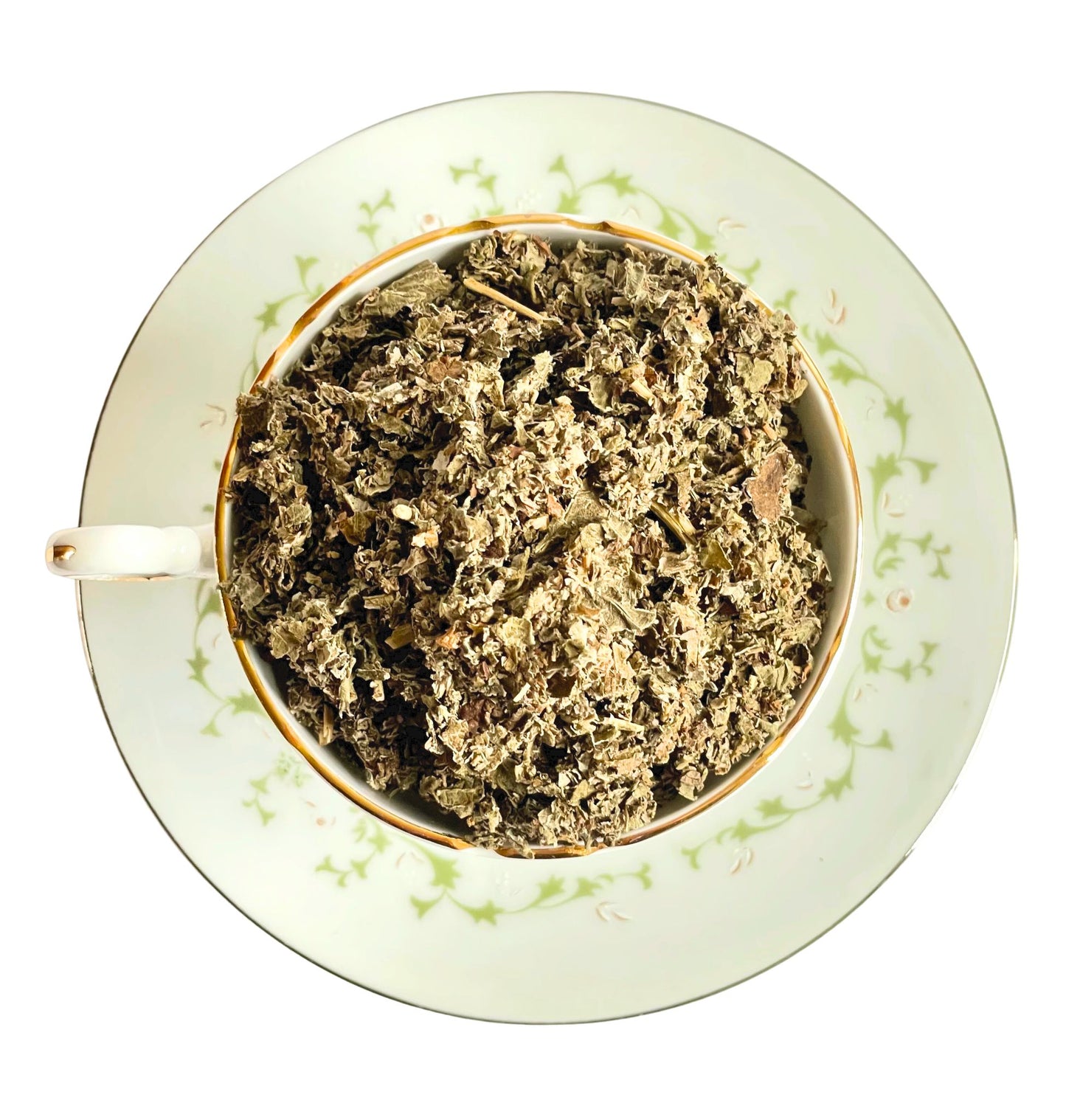
Raspberry Leaf Tea: A Cure-All Through the Ages
The information about health benefits has not been evaluated by the Food and Drug Administration and is not intended to diagnose, treat, cure, or prevent any disease. Please be advised: Before making any changes to your diet you should always consult with your doctor, especially if you are pregnant, nursing or have existing conditions.
The Sweet Journey Through Time Starts Here!
True Treats is the only historically accurate candy store in the world, bringing the past to life through researched sweets, teas, syrups, and more. Every product is rooted in history, telling the story of how people from all walks of life enjoyed treats through time. Leading this effort is Susan, a nationally recognized candy historian, researcher, and author who appears regularly on TV, radio, and in major publications. With over 40 years of experience, she has written ten books and founded True Treats to share the fascinating history of candy in a fun and delicious way. Susan’s work uncovers the surprising origins of America’s favorite sweets, from ancient uses of sugar to the candies of the 1900s. Through True Treats, Susan makes history an interactive experience, allowing customers to taste the past while learning the stories behind every bite.


